
Introduction
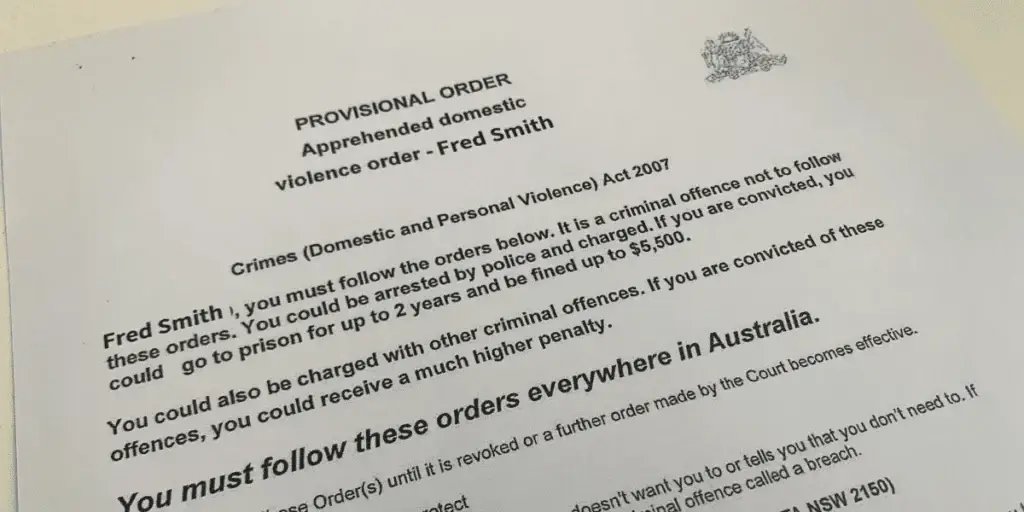
An Apprehended Violence Order (AVO) is a legal instrument designed to protect individuals from violence, harassment, or intimidation. For those involved, particularly respondents, understanding the court process can be daunting. This guide aims to demystify what happens at an AVO court hearing and provide essential information to help respondents navigate the proceedings with confidence.
Understanding AVOs
Definition of an AVO
An Apprehended Violence Order (AVO) is a court order that aims to protect a person from violence or threats of violence from another individual. These orders can be made in cases involving domestic violence, stalking, harassment, or any situation where an individual feels threatened. An AVO serves as a legal mechanism intended to enforce safety and maintain peace, reflecting the seriousness with which the judicial system treats allegations of violence.
Typically, the person seeking the AVO is referred to as the applicant, while the individual against whom the AVO is sought is called the respondent. The applicant must demonstrate to the court that they have reasonable grounds to fear for their safety, which forms the basis for the order being made.
Types of AVOs
There are generally two types of AVOs: Apprehended Domestic Violence Orders (ADVOs) and Apprehended Personal Violence Orders (APVOs). ADVOs are specifically tailored for relationships involving family members or intimate partners, while APVOs cover non-domestic situations, such as acquaintances or strangers. Understanding which type of AVO applies to a given situation is crucial, as the legal implications and protections differ between the two orders.
Both types can include specific conditions, such as prohibiting the respondent from contacting the applicant, maintaining a certain distance from them, or even surrendering personal possessions like firearms. The conditions imposed depend on the circumstances surrounding the case and aim to maximize the safety of the applicant.
Legal Framework Surrounding AVOs
The legal framework governing AVOs varies by jurisdiction, but they are generally outlined in state legislation concerning violence and protective orders. For instance, in Australia, the relevant laws are found in various state acts, such as the Crimes Act 1900 (NSW) or the Crimes (Domestic and Personal Violence Act) 2007 (NSW). These laws establish the parameters for applying for an AVO, the evidence required to support the application, and the procedures followed during hearings.
In addition to statutory provisions, case law also shapes how courts interpret and enforce AVOs. Legal precedents can influence the outcomes of similar cases, providing insights into how particular circumstances may be handled. This body of law is essential for both applicants and respondents to understand as it informs their rights and obligations within the legal process.
Preparing for the Court Hearing
Gathering Relevant Documents
Preparation is key to navigating an AVO court hearing successfully. Respondents should start by gathering all relevant documents related to the case. This may include any written communications, photographs, medical records, or police reports that pertain to the allegations. Having these documents ready can help formulate a coherent defense and provide evidence to counter the claims made by the applicant.
Additionally, respondents should consider obtaining any personal documentation that demonstrates their character or stance in the matter, such as witness statements or character references. These documents can be pivotal in providing context and supporting evidence during the hearing.
Understanding Your Rights
Being informed about one’s rights is crucial for anyone involved in an AVO case. Respondents have the right to defend themselves against the allegations made, present evidence, and call witnesses to support their case. They also have the right to legal representation; it is advisable to seek legal advice to ensure that their rights are protected throughout the process.
Furthermore, respondents should be aware of the implications of an AVO on their personal and professional life. Breaching an AVO can result in severe legal consequences, including arrest and criminal charges. Understanding these rights and the potential ramifications is essential in preparing for the court hearing.
What to Expect on the Day of the Hearing
Arrival at the Court
On the day of the hearing, it is crucial for respondents to arrive at the court on time. Courts typically have strict schedules, and arriving late can lead to unfavorable outcomes, including the possibility of the court proceeding without the respondent’s input. Upon arrival, respondents should locate the appropriate courtroom, which is often listed on their court summons.
Upon entering the courtroom, respondents should take a moment to familiarize themselves with the environment. Understanding how the courtroom is laid out can ease anxiety and help individuals feel more comfortable once the proceedings begin. Courts usually have designated areas for legal representatives, the applicant, and the respondent, and knowing where to sit can help maintain order and respect during the hearing.
Check-in Process
Once inside the courtroom, respondents should check in with the court staff or registrar, who can provide guidance on the process and confirm the respondent’s presence. This step is essential as it officially notifies the court of the respondent’s attendance and ensures they are included in the proceedings. It is advisable to keep any court documents readily available for reference during this process.
During the check-in, respondents should also inquire about any specific procedures or protocols to follow during the hearing. Each court may have slightly different processes, and being informed can help the respondent navigate the proceedings more effectively. Understanding what is expected can help mitigate any potential surprises once the hearing begins.
The Hearing Process
Opening Statements
The hearing process begins with opening statements from both parties. The applicant’s legal representative will typically present their case first, outlining the reasons for seeking the AVO and summarizing the evidence that will support their claims. This is an opportunity for the applicant to articulate their concerns and provide context to the allegations being made.
Following the applicant’s opening statement, the respondent or their legal representative will have the chance to present their opening remarks. This statement serves to outline the respondent’s position, refute the claims made, and explain why the AVO should not be granted. It is important for the respondent to remain factual and respectful during this stage, as first impressions can significantly impact the court’s perception of the case.
Presentation of Evidence
After the opening statements, the applicant will present their evidence. This may include documentation, photographs, or any physical evidence that supports their claims. Witnesses may also be called to provide testimonies that corroborate the applicant’s account of events. The respondent or their legal representative has the right to question the evidence presented and challenge its validity.
Following the applicant’s presentation, the respondent will have the opportunity to present their own evidence and witnesses. This is a critical stage in the hearing, as it allows the respondent to counter the allegations and provide their perspective on the situation. Respondents should be prepared to clearly articulate their defense and provide any documentation that supports their case.
Witness Testimonies
Witness testimonies can play a significant role in an AVO hearing. Both parties have the right to call witnesses who can provide firsthand accounts of the events in question. Witnesses can include friends, family, or even neutral parties who were present during relevant incidents. The credibility of witnesses can greatly influence the magistrate’s decision, making it essential for both sides to prepare their witnesses accordingly.
During the testimony, witnesses will typically be questioned by the party who called them, followed by cross-examination from the opposing side. It is vital for the respondent to be prepared for this aspect, as well-prepared witnesses can effectively counteract claims made by the applicant. Respondents should consider the potential impact of each witness’s testimony on the overall case.
Cross-examination
Cross-examination is a pivotal aspect of the hearing process. This stage allows the respondent’s legal representation to challenge the credibility and reliability of the applicant’s evidence and witnesses. Effective cross-examination can expose inconsistencies in the applicant’s claims and undermine the overall strength of the case against the respondent.
It is essential for the respondent to remain calm and composed during cross-examination. Emotional reactions can detract from the respondent’s credibility and may negatively influence the magistrate’s perception of their case. A strategic approach to cross-examination can also help highlight the weaknesses in the applicant’s case and strengthen the respondent’s position.
Closing Statements
Once all evidence has been presented, both parties will have the opportunity to make closing statements. This is the final chance to summarize the key points of the case and reinforce the arguments made throughout the hearing. The closing statement should encapsulate the critical evidence presented and reiterate why the magistrate should rule in favor of the respondent.
For the applicant, this is an opportunity to reaffirm the reasons for seeking the AVO and to stress the need for protection. A well-structured closing statement can significantly impact the magistrate’s decision by providing a clear, concise summary of the key issues at stake.
Possible Outcomes of the Hearing
Decision by the Magistrate
After both parties have presented their cases and made their closing statements, the magistrate will deliberate and make a decision regarding the AVO. The magistrate may either grant the AVO, dismiss the application, or impose specific conditions that differ from what the applicant sought. The decision will be communicated to both parties, often in the same hearing session.
If an AVO is granted, it will outline the specific conditions the respondent must adhere to, such as prohibitions on contacting the applicant or attending specific locations. The respondent must understand and comply with these conditions to avoid any legal repercussions. Conversely, if the application is dismissed, the respondent can feel relieved but should still approach future situations with caution, as the matter may have broader implications on relationships or community perceptions.
Consequences of an AVO
The imposition of an AVO can have significant consequences for the respondent. It can impact various aspects of their life, including employment opportunities, housing, and personal relationships. AVOs can also appear on background checks, which may affect future legal or financial situations. Understanding these potential ramifications is critical for the respondent, as they navigate the aftermath of an AVO ruling.
Additionally, breaching an AVO can lead to severe legal penalties, including arrest and criminal charges. Therefore, it is imperative for the respondent to adhere strictly to the conditions set forth in the order, as failure to do so can lead to a cycle of legal troubles that may further complicate their situation.
Options for Appeal
If the respondent disagrees with the decision made by the magistrate, they may have options for appeal depending on the jurisdiction’s laws. The appeal process typically involves filing a notice of appeal and providing grounds for the appeal, such as procedural errors or misinterpretation of the law. Respondents should be aware of the time limits for filing an appeal and what the process entails to ensure they do not miss any critical deadlines.
Engaging legal representation during the appeal process can be invaluable, as they can guide the respondent through the complexities of the legal system and present a compelling case for reconsideration. A successful appeal may result in the original decision being overturned or revised, which could significantly alter the respondent’s circumstances.
After the Hearing
Understanding the Decision
After a decision has been rendered, it is important for the respondent to fully understand the implications of that decision. If an AVO is granted, the respondent should carefully review the order to comprehend the conditions imposed and the expectations set forth by the court. This understanding is crucial for compliance and for avoiding any potential breaches that could lead to further legal complications.
Moreover, if the AVO is dismissed, the respondent should be mindful that the allegations made could still have lingering effects on their reputation or personal relationships. Taking steps to address any fallout from the case can help rebuild trust and mitigate any negative perceptions resulting from the proceedings.
Next Steps for the Respondent
Following the hearing, respondents should consider their next steps carefully. If an AVO was granted, compliance with the order is essential. Respondents should also assess their personal circumstances and consider seeking counseling or support services, especially if the allegations stemmed from underlying issues such as relationship conflicts or mental health concerns.
If applicable, respondents may also want to explore the possibility of seeking a variation or revocation of the AVO after a certain period. Legal advice can provide clarity on the options available and the process required to pursue such actions, should they wish to do so.
Resources for Support
Respondents navigating the complexities of an AVO hearing may benefit from various support resources. Legal aid services offer assistance for those who may not be able to afford private representation, providing valuable guidance and representation throughout the process. Additionally, community organizations often provide emotional support and counseling for individuals involved in family and domestic violence situations.
Support groups can also offer spaces for individuals to share their experiences and learn from others who have gone through similar situations. Engaging with these resources can foster resilience and empowerment as respondents work toward a more positive future.
Conclusion
Navigating an AVO court hearing can be a challenging experience. Understanding the legal framework, preparing adequately, and knowing what to expect during the proceedings are crucial for respondents. The hearing process involves multiple stages, from opening statements to witness testimonies, each playing a vital role in the ultimate decision made by the magistrate.
The consequences of an AVO can significantly impact the respondent’s life, making it essential to comply with any orders issued and consider available options for appeal if necessary. Seeking legal representation and accessing support resources can provide essential guidance and assistance throughout this tumultuous period. By taking proactive steps and understanding their rights, respondents can better navigate the aftermath of an AVO hearing and work towards a more stable future.
FAQs
What is an AVO?
An Apprehended Violence Order (AVO) is a legal order designed to protect individuals from violence, harassment, or intimidation. It can be sought by individuals who feel threatened.
What can I expect during the hearing?
The hearing typically involves opening statements, presentation of evidence, witness testimonies, cross-examination, and closing statements from both parties.
What are the possible outcomes of an AVO hearing?
The magistrate may grant the AVO, dismiss the application, or impose specific conditions on the respondent.
Can I appeal the decision?
Yes, respondents have the option to appeal the decision made by the magistrate, but it is essential to act within the required time limits and provide valid grounds for the appeal.
What resources are available for support?
Legal aid services, community organizations, and support groups can provide assistance and guidance for those involved in AVO proceedings.
Speak to a Parramatta Criminal Lawyer Today
We attend Parramatta Local, District, and Children’s Courts daily, and are ready to help you today.
 Free Initial Consult 24/7 Availability for Urgent Bail or Court Hearings Discreet and Compassionate Representation
 Call Barsha Defence Lawyers now on 0474 708 070 to discuss your case — or contact us online.